Tamang Dress
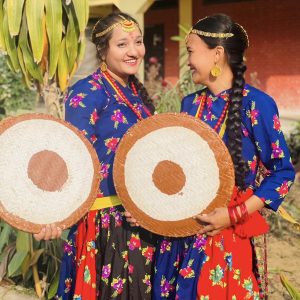
Tamang dress is a vibrant and culturally significant attire of the Tamang people in Nepal, reflecting their rich heritage and traditions. Both men and women have distinct garments, often featuring bright colors, intricate patterns, and high-quality fabrics. Tamang clothing is worn during festivals, ceremonies, and even in daily life, showcasing the community’s identity.
Tamang Dress for Men:
Bhoto: A vest-like garment.
Lungi: A wrap-around skirt or pants.
Hanju: A scarf.
Topi: A Tamang hat, often with specific designs.
Tamang Dress for Women:
Sada Hanju Set: A draped dress paired with a shawl.
Cholo: A blouse, often with horizontal lines.
Lungi: A wrap-around skirt, sometimes with a yellow patuka (waistband).
Shawl or Ghalek: A shawl or wrap.
Jewelry: Traditional accessories like Dhungri (earrings), Jantar and Yellow Potey (necklaces).
Topi: A Tamang hat.
Key Features:
Colors and Patterns:
Tamang clothing is known for its vibrant colors and intricate patterns, often reflecting cultural symbols and motifs.
Fabrics:
Cotton is a common fabric used, but other materials are also incorporated depending on the garment and occasion.
Craftsmanship:
Traditional craftsmanship, including embroidery and weaving, is evident in many Tamang garments.
Cultural Significance:
Tamang dress is not just clothing; it’s a symbol of identity, tradition, and cultural pride.
Occasions:
Tamang clothing is worn during Sonam Loshar (Tamang New Year), other festivals, ceremonies, and even in daily life, particularly in rural areas.
Showing the single result